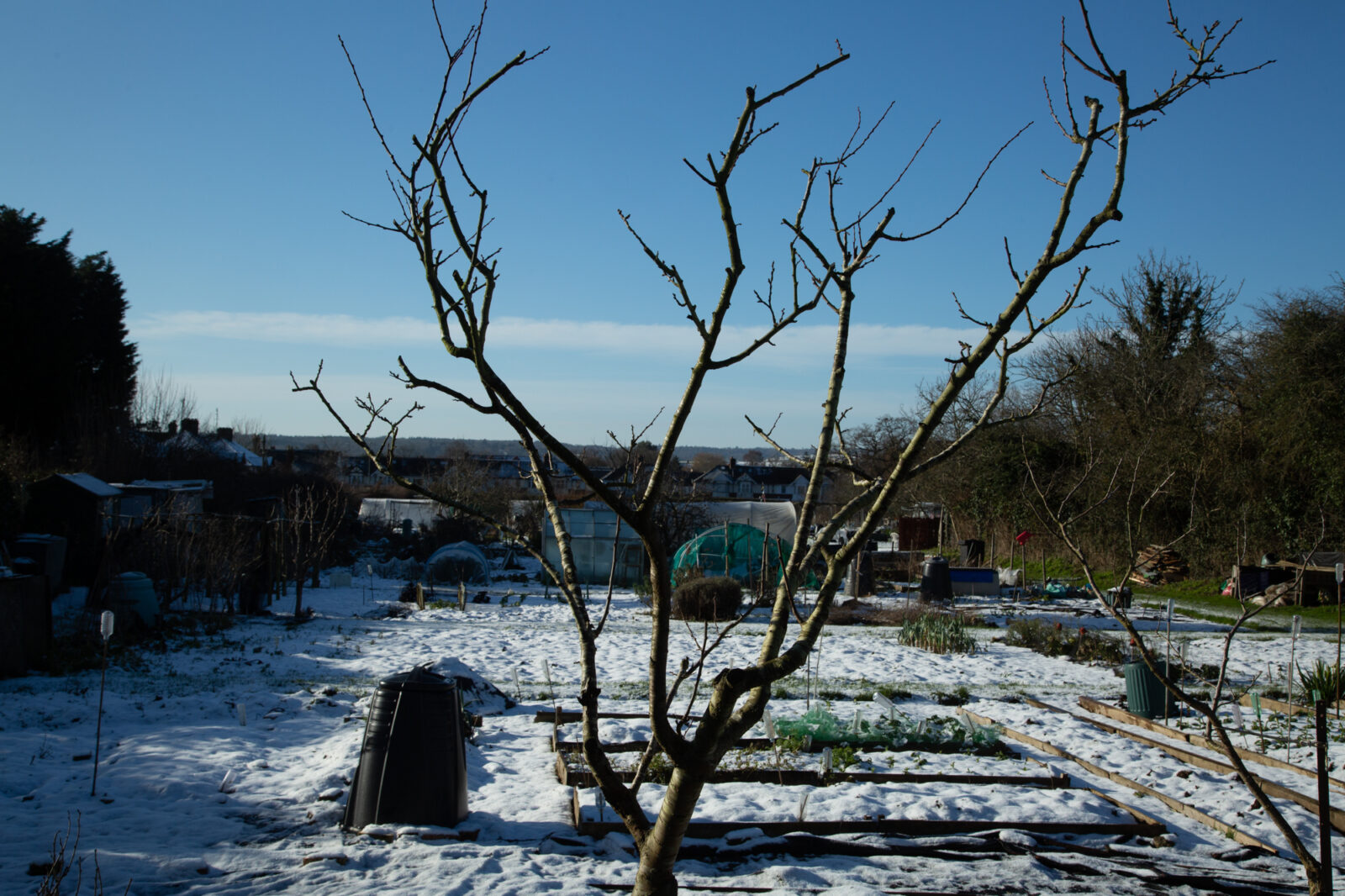
So here we are in February, its pouring with rain – again, and the weather while raw and uninviting in the wind, could hardly be described as cold for the time of year. And it hasn’t been cold all winter. Not a single day of snow (nor last year) and only about half a dozen with frost worthy of the name. Rain and plenty of it for sure. Long gone are the cold clear days of winter remembered from forty years ago. Apart from the aesthetics and the sense of loss as the climate warms inexorably, does it matter? Fuel poverty campaigners breathe a sigh of relief naturally, and tricky energy supplies aren’t stretched to the limit either, but what about the gardener and grower? I get quizzical looks from many of my neighbours when, on hearing their ‘Oh, what a chilly old day’ observations, I remark that I don’t think its cold enough. People have short memories if they aren’t tied into the rythms of the seasons and the impact the changes they are undergoing are having on the natural world. Hedgehogs don’t settle into proper hibernation if the air temperature is too warm. They re-emerge too early and can’t find anything to eat.
A substantial spell of cold weather matters for many plants. That term vernalisation is the process where the cold is key to successful germination in a wide variety of plants. Traditionally garlic is ‘planted on the shortest day and harvested on the longest’. Why? Because garlic needs the cold of December-February to trigger the seed clove to produce a number of cloves in the new plant as it grows. The same applies to soft fruit like blackcurrants and gooseberries, and ‘top fruit’ such as apples and pears. All of them need about six weeks of consistently cold weather each winter. This not just to kill of bugs and pests – though that helps, but because they need a ‘chill factor’ as part of their seasonal renewal. And these days we aren’t getting it. How long ago is it since we consistently had six weeks of cold frosty and snowy weather in southern England each December-February? Quite a while. So much so that a 2-3 week spell seems both unusual and a cause for gardeners and growers to breathe a sigh of relief. And its not just fruit trees and the like that are affected; there is a tradition that root crops like parsnips are best not lifted until there have been a few frosts on them. Why? Because the frost encourages the plants to break down starch into sugars, and makes them all the tastier for us when harvested.
Meanwhile the cry goes up that as a nation we need more food security. Global instability and climatic changes that lead to crop failures in countries we increasingly rely on to feed us, are driving up food prices and with it a critical element of the cost of living crisis. So we should grow more ourselves and import less. While we do grow most of our food – just, arounf 53% , that proportion has dropped significantly since a high point in the early 1980s. Far more focus on horticulture as opposed to arable crops will help on the food security front. Meantime we just have to hope for less winter rain and their accompanying devastating floods, and a few more of those cold frosty winter days instead. The hedgehogs will thank us too.